

What an influencer campaign costs in Saudi Arabia: creator fees, agency fees, price factors and how to set a realistic budget.

What an influencer campaign costs in Saudi Arabia: creator fees, agency fees, price factors and how to set a realistic budget.

One of the questions we hear most from business owners is: should I produce long videos or Shorts on YouTube? The short answer is that each format has a different role, and the best result usually comes from combining them in a ratio that suits your business, audience and budget. In this article we explain the difference between long videos and Shorts, when each fits, and how to build a practical mix in the Saudi market.
A long video is traditional horizontal content, from a few minutes to an hour, usually watched on purpose: the viewer is looking for an answer, an explanation or a review. Shorts are short vertical videos that viewers swipe through quickly and usually discover without searching.
Long video is the first choice when your customer’s buying decision needs persuasion and explanation. Examples:
The strength of long video is that it attracts a viewer who is actually looking for a solution, so conversion to an enquiry is usually higher. Long watch time also gives the channel an important quality signal.
Shorts fit when you want to reach new audiences quickly on a smaller budget:
But Shorts alone do not build deep trust, and someone watching Shorts is usually not searching for your service at that moment. So it is a reach and reminder tool more than a persuasion tool.
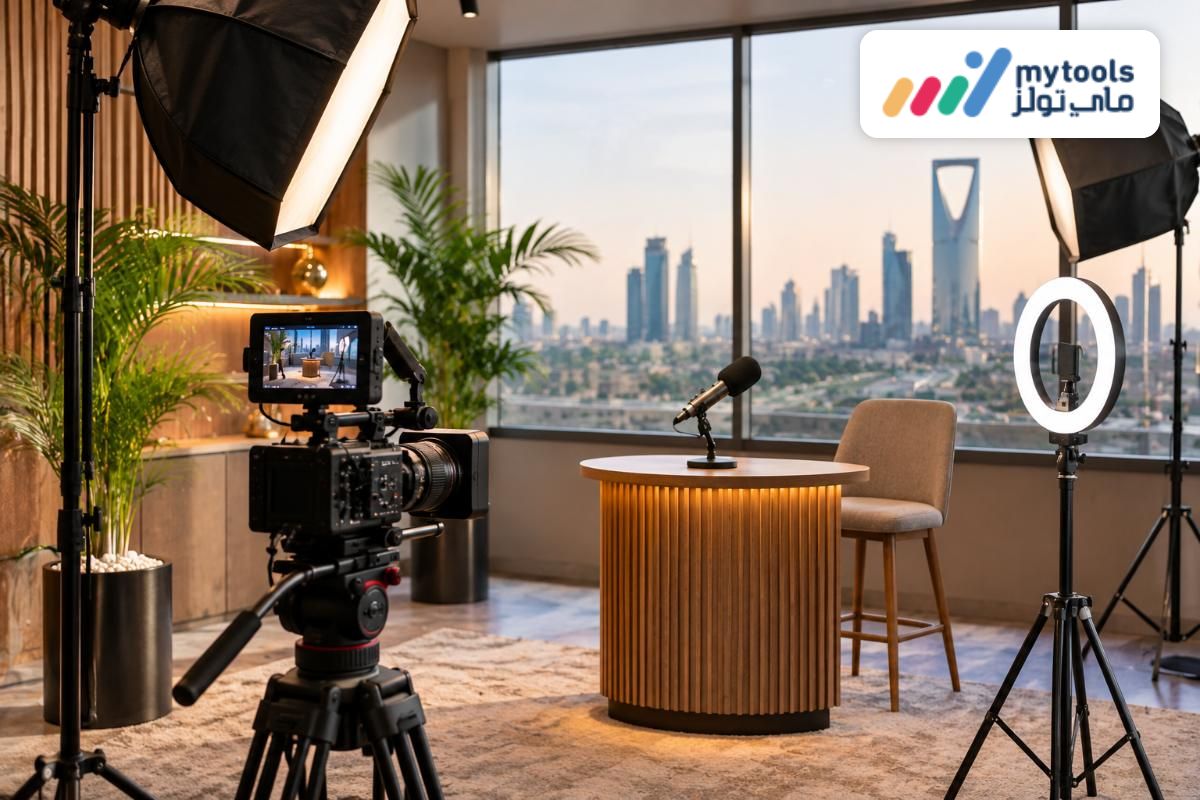
There is no magic ratio, but this is a practical starting point we adjust with performance:
A smart trick is to film the long video so you can cut several Shorts from it, getting varied content from one shoot. For more on costs, see How much does YouTube channel management cost in Saudi Arabia?.
Long video benefits directly from YouTube SEO: a title with a keyword people search for, a detailed description, organised playlists and chapters inside the video. So one video can appear in search for months and years and bring interested viewers. Shorts rely on discovery inside the Shorts feed, so views come in short waves, though they can be large for visually appealing businesses. In short, long video works like a permanent shop, and Shorts like a sign catching attention on the road.
Do not measure both with the same ruler. For long videos watch watch time, thumbnail click rate and enquiries coming from the description. For Shorts watch reach, new subscribers and the share who keep watching. In the monthly report we connect the numbers to your goal: did more people learn about your business? Did enquiries grow? Based on that we adjust the mix the next month. Note that YouTube results usually build up over months, so follow the overall trend, not a single day.
A contracting company in Riyadh: a monthly long video showing a finished project from start to handover, explaining stages and materials, and weekly Shorts of behind-the-scenes and final touches. The long video convinces the owner, and the Shorts keep reminding them.
A restaurant or café in Jeddah: frequent Shorts of dishes, preparation and atmosphere, with a long video telling the story of the place and the chefs. Shorts bring new visitors, and the long video strengthens identity.
A consultancy or clinic: long videos answering clients’ common questions in simple language, and Shorts with one tip each. Trust is the most important thing here, so we rely more on long video.
An online store: Shorts to show products and quick tests, and a monthly long video reviewing products, usage and comparisons, both supporting the buying decision.
Many people delay posting while searching for a perfect video, and weeks pass without content. It is better to set a realistic schedule you can keep and improve quality gradually with every video. Consistency gives the channel momentum and gives you real data to learn from, which is worth more than one polished video waiting months to be published.
Review the numbers every month. If Shorts bring many views but few interested subscribers, give long video more weight. If long videos are excellent but reach slowly, add Shorts that lead to them. Testing and measuring turn the mix from guesswork into a decision based on your own channel’s data, not someone else’s.
Shorts are usually cheaper to produce, but relying on them alone may give you views without customers. Long video costs more but converts viewers into customers better, so a smart budget combines both. At My Tools the Basic package starts from SAR 3,500 a month and the Advanced from SAR 8,500 a month and includes Shorts, before 15% VAT. Full details are on our YouTube channel management page. If you are also comparing companies, read How to choose a YouTube channel management company.
They may give quick reach, but they do not build enough trust for big buying decisions. It is better to combine them with long videos.
As long as the topic needs for a complete answer without filler. Many successful explainers run five to fifteen minutes, but what matters is holding the viewer’s interest, not the number.
Both. Cutting saves time and cost, and separate filming gives clips designed for vertical viewing with a better rhythm.
You notice consistency and a better channel from the first month, while growth in views and subscribers builds up over several months, and we do not promise guaranteed numbers.
Long video builds trust and appears in search; Shorts widen reach and remind people of you. The best result comes from a mix that fits your business, audience and budget, and is reviewed monthly with numbers. To start, call +966 57 576 1610 or message us on WhatsApp, and we will send you a quote in SAR within 24 hours.

Choosing the company that runs your YouTube channel is a decision that shapes your business’s image, because video carries your voice, your face and your reputation. So the question how do you choose a YouTube channel management company in Saudi Arabia? deserves your time before you sign any contract. In this article you will find six practical criteria and ready-made questions to ask any company, plus warning signs that expose a weak offer from the first meeting.
YouTube is a platform where results build up. A good video keeps bringing viewers and customers for years, and a weak one stays online too. If you choose the wrong company you may lose months of production with no effect and have to start again. Some companies deliver videos without understanding your business, and some promise impossible results. A good choice saves both money and time.
A good company does not start filming before showing you a clear monthly plan: video ideas, series, a posting schedule and the goal of each video. Ask to see and approve the ideas before filming. If a company says “leave it to us and we will surprise you” without a plan, treat that as a warning sign.
A successful video needs a scriptwriter, a camera operator, an editor, a thumbnail designer and an SEO specialist. When these roles sit in one company, production is faster and quality is more consistent. If the company splits the work among scattered freelancers, ask: who is responsible if one of them is late?
Saudi viewers have their own habits: viewing times change in Ramadan and holidays, a close local tone builds trust, and there is strong interest in practical content. Ask for examples of content produced for businesses inside the Kingdom, and notice whether the company speaks your audience’s language or imports a style foreign to the market.

The monthly report is the proof of a company’s work. It must include views, watch time, new subscribers and top videos, with practical recommendations for next month. Ask for the numbers to come from the channel itself (YouTube Studio), not estimates. Most importantly, the company should explain what it will change based on the numbers, not only what happened.
Your channel is an asset of your business. Make sure it stays in your name and under your account, that you receive the original video files, and that the company works with manager access rather than ownership. Honest companies hand over the files and say so in the contract. Avoid anyone who keeps the channel as a hostage.
Ask for a detailed quote showing the number and length of videos, whether filming, editing and thumbnails are inside the price, and what counts as an extra. For more on the factors behind pricing, read How much does YouTube channel management cost in Saudi Arabia?. Remember that the lowest price is not always the best value: a weak video is money spent with no return.
For most small and medium businesses, a specialist company is the best balance of quality, cost and clear responsibility.
Do not settle for the best video in a portfolio. Watch the channels the company actually runs and notice: is posting regular? Are titles and thumbnails polished and varied? Is the audio clear and the lighting suitable? Does the content answer real viewer questions? Are comments handled? If possible, ask to speak with a current client about their experience. Be careful with huge numbers without context, because the views of one video do not mean success with every client.
The difference between a channel that grows and one that stalls often lies in details viewers do not consciously notice: the first five seconds, clear audio, consistent thumbnail colours, title wording, playlist order and posting time. A company that cares about these details and explains why it made each decision knows what it is doing. Ask about a past case where changing a title or thumbnail improved performance, and the answer will reveal its practical experience.
We start with a discovery session to understand your business, audience and competitors on YouTube, then audit your current channel or set up a new one with the right settings, and send you a monthly plan before production. After that the team handles the script, filming, editing and thumbnail, publishes each video with a planned title, description and playlists, and ends every month with a report on your channel’s numbers and recommendations we apply the next month. Service details and packages are on our YouTube channel management page, with prices starting from SAR 3,500 a month before VAT.
Even with the best company, you remain the source of expertise. Your role is to give the team the right information, review the script before filming, attend filming if you will appear on camera, and answer the enquiries that come from the videos. The more regular and quick your cooperation, the better the results. A successful partnership combines your knowledge of your business with the team’s knowledge of making content.
Not necessarily. Some channels rely on voice-over and footage, product presentations or team interviews. But appearing yourself builds trust faster, and we suggest the style that fits your personality and business.
A number you can sustain with good quality. A common start is four videos a month, with room to grow based on performance.
Yes, management can include following and replying to comments in a tone that fits your identity, and passing serious enquiries to you directly.
That depends on the contract terms, so ask about commitment length and cancellation before signing and make sure they are written clearly.
Choose a company that gives you a written plan, a complete team, an understanding of the Saudi audience, reports with real numbers, clear ownership of your channel and a detailed price. Stay away from guarantee promises and fake subscribers. To start, call +966 57 576 1610 or message us on WhatsApp and you will get a quote within 24 hours.

One question comes up with almost every business owner who thinks about YouTube: how much does YouTube channel management cost in Saudi Arabia? The honest answer is that there is no single price, because the cost changes with the number of videos per month, the production level, who handles the filming, and whether you also need Shorts, ads and detailed reports. In this guide we explain how the cost is built, what a package should include, and how to compare offers without being fooled by the lowest price.
Managing a channel is more than uploading videos. It is a working system that starts with understanding your business and audience and ends with a report showing what the channel really achieved. It usually includes:
If an offer does not spell these items out, ask before you sign. Many cheap offers quietly remove an item or two and you only notice two months later.
This is the biggest factor. One video a week is very different from eight videos plus Shorts. Every video needs a script, filming, editing, a thumbnail and publishing, and each stage takes time.
Editing existing footage or recording a screen costs less than cinematic filming with lighting and several angles. Your business type decides the right level: explaining software is different from presenting a real estate project or a restaurant.
If you have a ready space and can film yourself, the cost is lower. On-site or studio filming is priced by the length of the day and the size of the crew, and is usually a separate item from the monthly package.
Long videos build trust and appear in search, while Shorts widen reach. The mix affects cost because each format is produced differently.
Managing YouTube ad campaigns is a separate service, and the ad budget is paid directly to Google, not included in management fees. Reporting also ranges from a simple summary to detailed analysis with recommendations.
At My Tools we show a clear starting point instead of hiding prices:
Prices exclude 15% VAT. They are a starting point: on-site filming, YouTube ads and managing more than one channel are priced to your needs. Call us for the full picture, and see the package details on our YouTube channel management page.

The lowest price is not always the best value. Ask every company to answer these questions, then compare:
For more on selection criteria, read our article How to choose a YouTube channel management company.
Do not trust anyone who guarantees a specific number of subscribers or views within weeks. Channel growth depends on content quality, the audience and time, and YouTube results usually build up over months. An honest company commits to a plan, production and reports, and tells you what is realistic.
Some owners start on their own, which is fine at the beginning if you have time and skill. But over time the channel becomes a burden: filming, editing, thumbnails, SEO and comment follow-up. Do a simple calculation: how many hours a month does it take, and what is an hour worth in your core business? Most of the time specialist management costs less than the value of your time, with higher quality and better consistency, and consistency is the secret of YouTube.
A middle path is to give the team the idea and the expertise while they handle the rest: you speak on camera or give us the information, and we prepare the script, direction and publishing. The content stays in your name and voice, without you losing time on tools.
Honesty matters here: YouTube is not an instant-results channel like paid ads. In the first month you notice a consistent, better-looking channel. After several months views and subscribers start to grow, along with enquiries coming from the videos. A single video can keep working for you in search for years, which is a real difference from an ad that stops when its budget ends. So judge the investment over 6 to 12 months and track clear indicators: watch time, new subscribers and the number of enquiries coming from the channel.
If you are starting out and want a steady presence with organised content, the Basic package gives you a sound base. If your business depends on trust and persuasion, such as real estate, specialist services, training, restaurants and stores, the Advanced package fits better because it combines long videos, Shorts, thumbnails and a deeper report. If you are not sure, we suggest a short discovery session where we understand your business, audience and competitors on YouTube, and then recommend the right option with no obligation.
To speed things up, prepare a short description of your business, the three main services or products you want to promote, the questions your customers ask most, and links to your accounts and to channels you like. The clearer this information, the more accurate the quote and the faster the work, and the fewer edits after filming.
Channel management is an ongoing monthly service because results depend on consistency. Channel setup and identity design may be a one-time item depending on your channel.
No, we handle filming and editing. If you want on-site filming we arrange it with you and price it separately.
No, and nobody honest can. We commit to a plan, production and monthly reports with numbers.
You see the effect of consistency from the first month, while growth in views and subscribers usually builds up over several months.
The cost of YouTube channel management in Saudi Arabia depends on the number of videos, production level, filming and reporting. We start from SAR 3,500 a month for the Basic package and SAR 8,500 a month for the Advanced one (before VAT), and price the rest to your needs. Compare offers by their items, not by the number, stay away from guaranteed promises, and judge results over months. To start, call +966 57 576 1610 or message us on WhatsApp and you will get a quote within 24 hours. You may also like Long videos or Shorts: which suits your business?

Compare Snapchat, TikTok, Instagram and LinkedIn to find which platform suits your business in Saudi Arabia, and how to build a presence without scattering your effort.

A practical guide to choosing a social media management company in Saudi Arabia: evaluation criteria, questions to ask before signing, and warning signs to watch for.

How much does social media management cost in Saudi Arabia? Learn what drives the price, what a package includes and excludes, and how to compare offers.
A practical guide to local SEO: how to appear on Google Maps in your city and increase calls and visits.
A practical guide to choosing the best SEO company in Saudi Arabia: evaluation criteria, key questions and warning signs before you sign.

A clear guide to the cost of SEO in Saudi Arabia: what sets the price, how to read proposals and when the amount fits your business.